Serving Jurupa Valley, CA and surrounding areas. (951) 518-9665
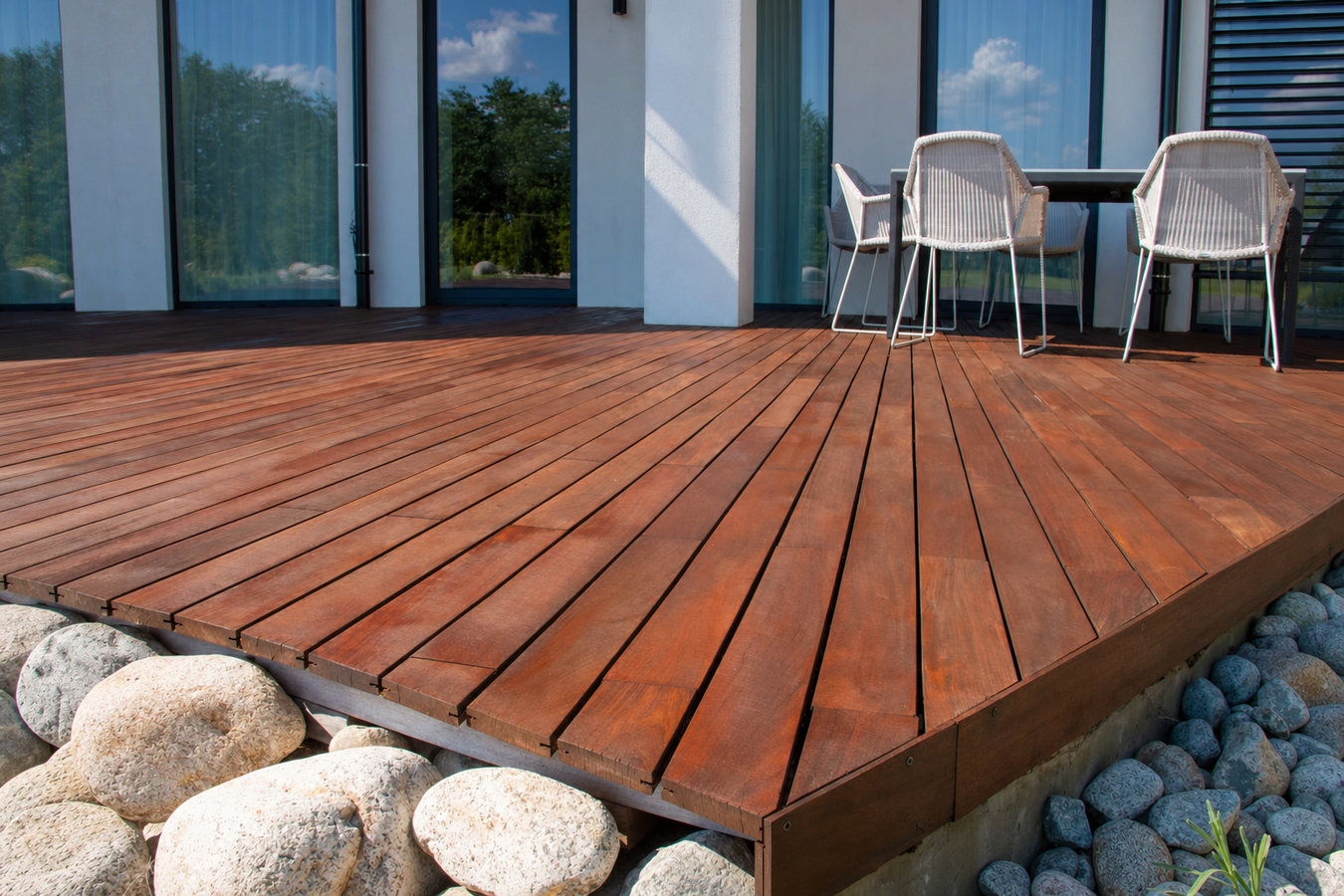
A well-built pressure-treated deck starts with the right footings and the right framing. We do that work correctly the first time so your deck stays solid for years - not just for the day the permit is signed off.
Pressure-treated wood deck construction in Jurupa Valley uses chemically preserved lumber that resists rot, fungal decay, and termites, producing a structure that can last 15 to 25 years or longer with basic maintenance - most standard backyard decks take two to five days of active construction once materials are on site and the permit is in hand.
Pressure-treated decks remain the most cost-effective way to add a durable outdoor living surface in Jurupa Valley. The Inland Empire's termite activity is real, and pressure-treated lumber provides meaningful resistance - particularly important for posts and framing members that sit close to the soil. You will need to plan for periodic sealing or staining every two to three years, but a deck built on solid footings with proper ledger flashing will serve your family well through years of triple-digit summers.
If long-term maintenance is a concern, take a look at our cedar wood deck construction page, which covers a naturally rot-resistant alternative, or our deck staining and sealing service to protect and extend the life of a wood deck already in place.
If your yard is just grass or concrete with nowhere to sit, you are missing one of the most practical upgrades a Jurupa Valley home can have. Given the long outdoor season here - evenings stay pleasant from March through November - a deck turns unused square footage into a space your family uses almost every day.
Jurupa Valley's intense summer sun breaks down wood surfaces faster than in cooler climates. A deck with deeply cracked boards, a spongy feel underfoot, or fasteners popping up may be past the point where maintenance alone can fix it. A new pressure-treated deck built to current standards will outlast a patched-up old one.
Many Jurupa Valley homes built in the 1980s and 1990s have sliding doors or French doors that open two or three feet above grade with no landing. This is a safety issue and a missed opportunity. A deck built to meet that door creates a proper transition from inside to outside and makes the back of the home feel finished.
The Inland Empire's termite activity is real. If you see small piles of sawdust near deck posts, hear hollow sounds when you knock on boards, or notice visible tunneling in the wood, you may have a pest problem that has compromised the structure. Patching individual boards will not solve a structural issue - replacement with properly treated lumber is the right answer.
We handle every phase of the project: permit application with the City of Jurupa Valley, footing excavation and concrete pour, frame construction, surface board installation, and finishing details like stairs, railings, and fascia boards. Every pressure-treated deck we build uses lumber rated for the appropriate ground-contact or above-ground application - the right treatment level matters in a high-termite zone like the Inland Empire. For homeowners who want the natural look of wood with higher natural rot resistance, our cedar wood deck construction service is worth comparing.
Once your deck is built, protecting it with a quality sealer extends its life significantly. Our deck staining and sealing service handles that maintenance work as a standalone project after the initial drying period - typically six to twelve months after installation in Jurupa Valley's dry climate.
Best for yards where the back door is close to grade - keeps framing simple, costs reasonable, and gives you the most usable surface area for the budget.
Suited for homes where the interior floor sits significantly above the yard - includes a full stair run and landing to make the transition safe and comfortable.
Framed directly off the house using a properly flashed ledger board connection - the most common configuration for homes with a back door that leads outside.
A self-supporting structure that does not attach to the house - preferred when attaching to the home's framing is impractical or when the deck location is away from the building.
Building a deck in Jurupa Valley means accounting for three conditions that do not apply the same way in other parts of Southern California. First, the Inland Empire is in a high-termite-activity zone - subterranean termites are common here, and using the correct treatment level for ground-contact applications is not optional. Second, portions of the city sit on clay-heavy soils that expand and contract with moisture changes throughout the year. Footings that do not go deep enough into stable bearing soil will shift over time as that clay moves. Third, Jurupa Valley's summer heat is genuinely intense, and wood surfaces that are not finished and maintained correctly will gray and crack faster than most homeowners expect.
We work throughout Jurupa Valley and in nearby communities including Riverside and Corona, where the soil and climate conditions are similar. We also help homeowners navigate Jurupa Valley's permit process and, where applicable, HOA architectural review requirements - both of which can add time to a project if you do not plan for them upfront. For additional guidance on what the American Wood Protection Association recommends for treated lumber in different exposure conditions, their standards are publicly available and worth a look before you sign a contract with any builder.
Reach out by phone or form and expect a reply within one business day. We ask about the size of the space, whether you want an attached or freestanding deck, and roughly what your budget looks like. This call usually takes 15 to 20 minutes.
We come to your home to measure the space, check ground conditions, and look at how the house is framed where the deck will attach. Within a few days you get a written estimate that breaks down scope, materials, and total cost - no obligation.
Once you sign, we submit the permit application to Jurupa Valley's Building and Safety Division on your behalf. If your neighborhood has an HOA with an architectural review step, we help you prepare the submission. Plan one to three weeks for permit approval on a standard project.
We pour the footings, frame the structure, lay the surface boards, and install railings and stairs. A city inspector approves footings before decking goes down, and a final inspection confirms the completed structure. We walk you through maintenance basics - including when the deck is ready for its first coat of sealer.
We pull the permit, handle the HOA paperwork, and reply within one business day - call or submit the form to get started.
(951) 518-9665We handle the entire permit process with the City of Jurupa Valley - from submitting the plans to scheduling the final inspection. You never make a single call to the city, and you end up with a fully permitted, documented deck that protects your home's value.
The Inland Empire is a high-termite-activity region. We use pressure-treated lumber rated for the correct exposure level - ground contact where needed, above-ground rated where appropriate. Using the wrong grade is a common corner that cuts years off a deck's life.
Parts of Jurupa Valley sit on clay-heavy soils that shift with moisture. We set footings at the depth required for stable bearing in these conditions. The California Building Standards Commission sets minimum requirements, but local knowledge matters for getting the depth right in practice.
The ledger board is the most structurally critical part of an attached deck. We install it with the correct hardware and proper metal flashing so water cannot get behind it and rot your home's rim joist - a repair that can cost more than the deck itself. The North American Deck and Railing Association publishes standards for this connection that we follow on every project.
These are the details that separate a deck that holds up for 20 years from one that starts showing problems in three. Every project we build is designed to pass inspection and serve your family through years of Jurupa Valley weather.
Naturally rot-resistant cedar is a premium wood alternative with a distinctive look and scent that many homeowners prefer over pressure-treated.
Learn MoreProtect your existing or newly built pressure-treated deck with professional staining and sealing to extend its life in Jurupa Valley's harsh sun.
Learn MoreCall now or submit the form - we respond within one business day and can walk you through the full process from permit to final inspection.